What is your Greatest Weakness? - Perfect answers for 2026

Trust Score: 4.8
387 reviews
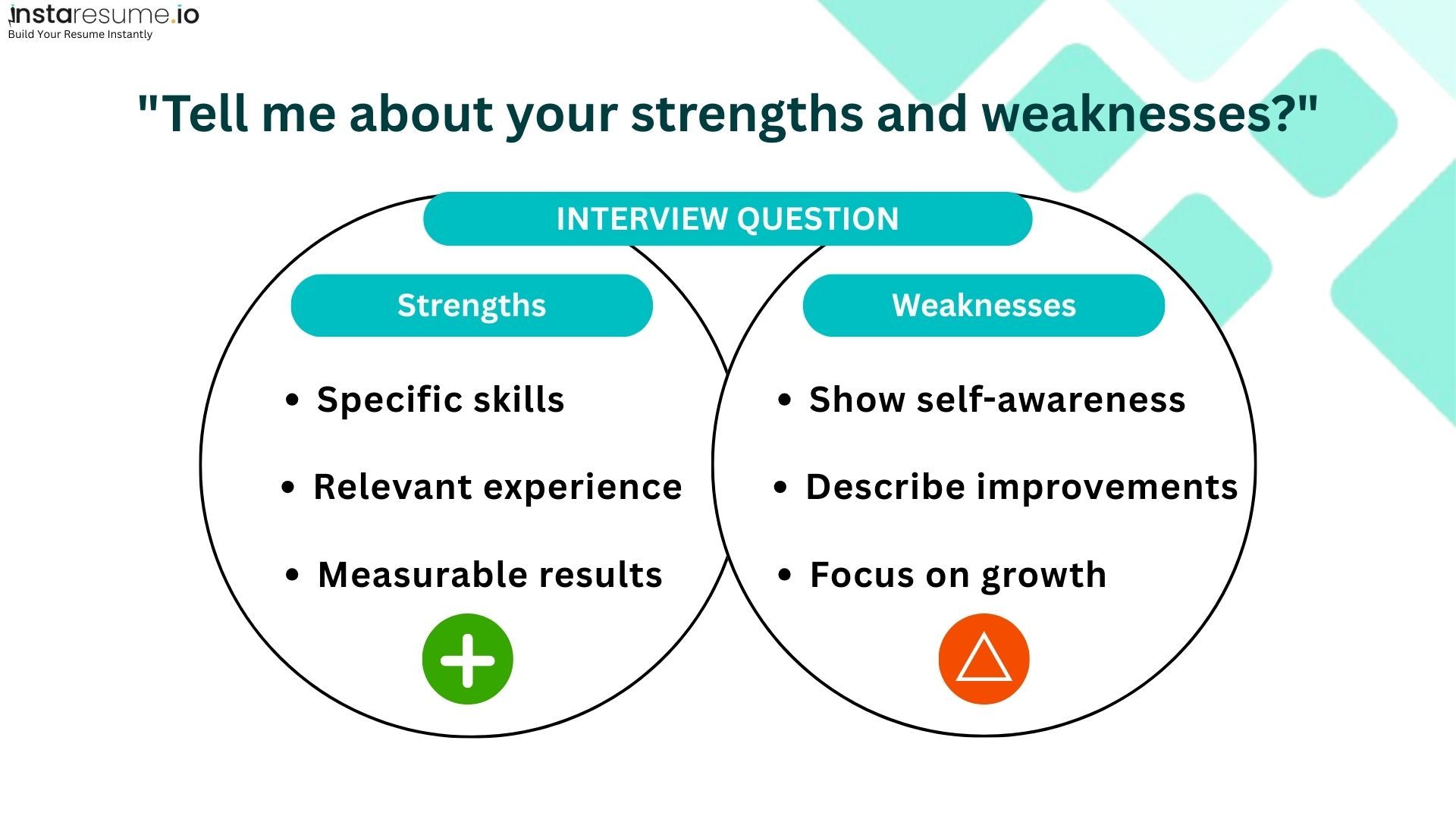
Table of Contents
Even in 2026, one interview question continues to make candidates uncomfortable:
“What is your greatest weakness?”
This question sounds simple, but it’s one of the most strategic and revealing interview questions recruiters ask. Whether you are a fresher attending your first interview or a professional with years of experience, how you answer this can strongly influence the interviewer’s perception of your maturity, honesty, and long-term potential.
This guide explains why interviewers ask this question, what they actually want to hear, and how to craft strong, believable answers that work across roles, industries, and experience levels.
Why do Employers ask about Strengths and Weaknesses?
Interviewers use questions about strengths and weaknesses to look beyond your resume. While your qualifications show what you can do, these questions reveal how you work, how you think, and how you grow. Employers want to understand whether you are not only capable of doing the job but also able to adapt, collaborate, and evolve within the organization.
When employers ask about strengths, they are assessing how well your abilities align with the role’s responsibilities and the company’s working style. When they ask about weaknesses, they are not expecting perfection they are evaluating your self-awareness, honesty, and willingness to improve.
In modern hiring environments, especially in 2026, these questions help interviewers understand how you would perform in real workplace situations, how you respond to challenges, and how you fit into the existing team and culture.
Specifically, interviewers use strength and weakness questions to evaluate:
 Your level of self-awareness and ability to reflect on your own performance
- How effectively you apply your strengths to deliver results in the workplace
- Whether you can openly acknowledge your limitations without becoming defensive
- The steps you’ve taken to improve your weaknesses through learning or experience
- How your skills, traits, and working style complement the current team, rather than conflict with it
A thoughtful answer reassures employers that you are not just qualified for the role but also capable of growing with it.
Learn more: Tell me about yourself
Strategies for Talking about your strengths
When interviewers ask, “What is your greatest strength?” they are giving you a direct opportunity to explain why you are a strong match for the role. However, generic or unfocused answers often weaken this opportunity.
A strong response requires preparation and relevance.
1. Study the job description carefully
Review the required and preferred skills listed in the job posting. Identify one strength you possess that clearly supports these requirements. Your answer should feel intentional not random.
Whenever possible, support your strength with:
- A brief real-world example
- A measurable outcome (results, improvements, impact)
2. Research the company
Understanding the company’s culture, values, and priorities helps you select a strength that fits naturally. For example, a fast-growing startup may value adaptability, while a large organization may prioritize structure and collaboration.
3. Focus on areas where you create impact
Think about where the company is heading and what problems it may be trying to solve. Choose a strength that directly contributes to those goals this shows strategic thinking and business awareness.
Once you identify your key strengths, the next step is presenting them clearly on your resume. Using an AI resume builder can help structure strengths in a way recruiters and ATS systems understand.
Examples of Strengths in the Workplace
When interviewers ask about your strengths, you don’t always need to focus on a hard or technical skill especially if that skill is already evident from your resume. While technical expertise is important, many employers are equally interested in how you approach your work, collaborate with others, and handle responsibility.
Interpersonal and behavioral strengths often give interviewers a clearer picture of your working style. These strengths help explain how you deliver results, adapt to challenges, and contribute to a team or organization over time. They also allow you to connect multiple skills and achievements under one clear theme, making your answer more impactful and memorable.
Below are examples of professional strengths that are commonly valued across industries. Choose one that genuinely reflects how you work and support it with a brief example when answering in an interview.
Common workplace strengths to highlight in interviews
- Collaborative – Works well with diverse teams and values shared success
- Creative – Approaches problems with original thinking and fresh ideas
- Deadline-oriented – Manages time effectively and delivers work on schedule
- Dedicated – Shows commitment to responsibilities and long-term goals
- Detail-oriented – Maintains accuracy and consistency in work
- Empathetic – Understands team dynamics and communicates with sensitivity
- Entrepreneurial – Takes initiative and thinks beyond assigned tasks
- Flexible – Adapts quickly to change and new priorities
- Honest – Communicates transparently and builds trust
- Innovative – Finds better, more efficient ways to work
- Leadership-oriented – Guides, supports, and motivates others when needed
- Nimble – Responds effectively in fast-paced environments
- Organized – Structures work clearly and manages multiple tasks well
- Passionate – Brings energy and genuine interest to the role
- Patient – Remains calm and focused during challenges
- Positive – Maintains a constructive attitude under pressure
- Proactive – Anticipates problems and takes action early
- Problem solver – Analyzes issues and develops practical solutions
- Self-starter – Works independently without constant supervision
- Team player – Prioritizes team goals over individual recognition
Pro Tip
Instead of listing multiple strengths, select one or two that are most relevant to the role and explain how they helped you achieve results. This approach feels more authentic and leaves a stronger impression.
5 Sample responses to “What are your Strengths?”
A strong way to answer this question is to:
- Clearly state your key strength
- Briefly explain how you’ve used it in a real situation
- Highlight the outcome or impact
This approach keeps your answer focused, credible, and results-oriented.
Below are five well-structured examples you can adapt based on your experience level and role.
Strength: Collaboration
Sample response:
“One of my strongest strengths is collaboration. I work best in team environments where ideas and responsibilities are shared. In my previous role, I worked on a cross-functional project involving research, design, and client coordination. The team faced tight deadlines, but I helped keep communication clear and encouraged alignment across stakeholders. As a result, we delivered actionable insights that directly supported the client’s product launch.”
Why this works:
Shows teamwork, leadership, and impact without sounding generic.
Strength: Technical Expertise
Sample response:
“I have strong technical proficiency and enjoy staying updated with industry tools and trends. In my current role, I became deeply familiar with our core software systems, which helped me identify issues early and suggest improvements. This proactive approach reduced delays and improved overall efficiency for the team.”
Why this works:
Demonstrates expertise, curiosity, and problem prevention—not just skill listing.
Strength: Attention to Detail
Sample response:
“I’m known for being detail-oriented, especially in content-driven work. I focus carefully on accuracy, clarity, and consistency, which helps improve the quality of the final output. Because of this, my work often requires minimal revisions and performs well against set goals, including deadlines and performance metrics.”
Why this works:
Balances creativity with reliability and measurable outcomes.
Strength: Positive and Resilient Attitude
Sample response:
“A positive attitude is one of my core strengths. I’ve worked in roles that required patience, energy, and adaptability, especially when dealing with different people and expectations. I remain calm under pressure and try to understand situations from multiple perspectives, which helps build trust and maintain productive relationships.”
Why this works:
Highlights emotional intelligence and people skills—highly valued in 2026.
Strength: Problem-Solving
Sample response:
“I consider myself a strong problem solver. In my previous role, I often worked under tight deadlines where quick, well-thought-out decisions were critical. I approach challenges by researching thoroughly, asking the right questions, and staying focused on practical solutions. This helped my team meet targets even in high-pressure situations.”
Why this works:
Shows structured thinking, learning ability, and calmness under pressure.
Quick Tip for Interviews
Choose a strength that:
- Is relevant to the role
- You can prove with an example
- Demonstrates long-term value, not just short-term success
Avoid listing multiple strengths at once. One well-explained strength is far more effective than several vague ones.
Learn more: Interviewing skills to boost your career
Strategies for Talking about your weaknesses
The question “What is your greatest weakness?” often feels intimidating because candidates worry about saying the wrong thing. However, employers are not expecting you to expose a major flaw or disqualify yourself. Everyone has weaknesses what matters is how well you understand them and what you’re doing to improve.
In fact, your ability to acknowledge a weakness thoughtfully and explain your improvement efforts can turn this question into a strong positive. The most effective answers combine self-awareness, action, and measurable progress.
Before your interview, spend time identifying a weakness that is honest, professional, and manageable.
Identify areas where you want to grow
Look at your professional experience and ask yourself where you have room for improvement. This could include:
- Skills related to your role or industry
- Workplace habits such as time management or communication
- Technical tools or processes you want to become more confident with
- Productivity or organization methods you are still refining
The best weaknesses are often tied to growth—not failure.
Reflect on feedback you’ve received
Think back to past roles, academic experiences, or team projects. Feedback from managers, colleagues, or mentors often highlights recurring themes. For example, you may have been advised to:
- Communicate earlier when issues arise
- Delegate more effectively
- Speak up more in meetings
- Improve prioritization during busy periods
Using feedback shows that your weakness is based on real insight, not guesswork.
Focus on the steps you’ve taken to improve
Once you’ve chosen a weakness, prepare to explain what you’re doing about it. Employers value effort and initiative, so mention actions such as:
- Taking online courses or training programs
- Learning through tutorials, books, or hands-on practice
- Setting personal systems, reminders, or performance goals
- Actively applying feedback in daily work
This part of your answer is critical—it shifts the conversation from limitation to progress.
Highlight progress, not perfection
You don’t need to claim the weakness is completely resolved. Instead, show that you’re making steady improvement and are aware of how to manage it in the workplace. This demonstrates maturity, accountability, and long-term potential.
Key takeaway
A strong weakness answer doesn’t focus on the weakness itself it focuses on growth, responsibility, and learning. When you pair honest self-reflection with clear improvement efforts, interviewers see you as a professional who is adaptable and invested in self-development.
Examples of weaknesses in the workplace
When interviewers ask about your weaknesses, they expect honest but thoughtful responses. This does not mean admitting to habits that would prevent you from performing the job. At the same time, overly polished answers like “I work too hard” or “I care too much” often sound insincere and can reduce credibility.
A good weakness should meet three criteria:
- It is genuine and self-aware
- It does not directly conflict with a core requirement of the role
- It allows you to clearly demonstrate learning and improvement
For example, if you’re interviewing for a data analyst role, highlighting weak data visualization skills would raise concern. However, discussing a manageable behavioral or process-related weakness paired with improvement steps shows maturity and professionalism.
The best weaknesses are those that reflect growth potential and a willingness to learn.
Common workplace weaknesses
Below is a list of realistic weaknesses that can work well in interviews when framed correctly with improvement efforts:
- Difficulty accepting feedback initially – Shows high standards and self-reflection when paired with openness to growth
- Overly competitive mindset – Can be reframed as learning collaboration and balance
- Disorganization in fast-paced situations – Allows discussion of systems and tools you now use
- Extreme introversion or extroversion – Can show learning to adapt communication styles
- Impatience with slow processes – Highlights efficiency once managed constructively
- Struggles with prioritization – Works well when paired with improved planning techniques
- Occasional self-doubt – Demonstrates growing confidence through experience
- Missing deadlines in the past – Acceptable when framed with accountability and process changes
- Taking on too many commitments – Shows responsibility once boundaries are improved
- Procrastination tendencies – Can be reframed with productivity methods
- Rigid thinking – Allows discussion of learning flexibility
- Risk-averse decision-making – Works when paired with data-driven confidence building
- Being overly self-critical – Reflects high standards and reflection
- Sensitivity to criticism – Shows emotional growth and resilience
- Stubbornness in earlier roles – Can be reframed as learning openness
- Discomfort with public speaking – Common and widely accepted when improvement is shown
- Difficulty delegating tasks – Often used by high-ownership professionals learning leadership
Important reminder
Simply naming a weakness is not enough. Always be prepared to explain:
- Why you recognized it
- What you’ve done to improve
- How it no longer limits your performance
This approach turns a potentially risky question into a strong signal of growth and professionalism.
5 Sample Responses to “What are your weaknesses?”
The weakness question gives interviewers insight into how well you can evaluate yourself, accept feedback, and improve over time. Strong answers don’t focus on the flaw alone they highlight awareness, corrective action, and progress.
Use the examples below as guidance to shape your own response based on your experience and role.
Weakness: Being overly self-critical
Sample response:
“I tend to be very self-critical, especially when I feel I could have done better. Over time, I realized this could lead to unnecessary stress. To manage it, I now set clear goals and track progress regularly. I also make it a point to acknowledge milestones, which helps me stay focused on impact rather than perfection. This approach has improved both my productivity and prioritization.”
Why this works:
Shows accountability, emotional intelligence, and practical self-management.
Weakness: Public speaking anxiety
Sample response:
“Public speaking didn’t come naturally to me, and earlier in my career I felt nervous presenting to large groups. When I was required to present a major project, I actively worked on this by practicing regularly and joining structured speaking sessions. Over time, my confidence improved, and I now communicate ideas more clearly and support my team during presentations.”
Why this works:
Demonstrates courage, skill development, and leadership growth.
Weakness: Procrastination
Sample response:
“I’ve struggled with procrastination in the past, particularly when tasks felt complex or high-stakes. To address this, I started using task-management tools and breaking work into smaller, actionable steps. I also prioritize difficult tasks earlier in the day. These changes helped me stay consistent and meet deadlines more reliably.”
Why this works:
Shows honesty, problem-solving, and measurable behavioral change.
Weakness: Difficulty delegating tasks
Sample response:
“Earlier, I found it challenging to delegate because I wanted to ensure quality and accuracy. Over time, I realized this limited efficiency. I’ve since focused on understanding my team’s strengths and setting clear expectations. Delegating effectively has improved project flow and allowed the team to take more ownership.”
Why this works:
Reflects leadership maturity and trust-building.
Weakness: Limited experience with a skill or tool
Sample response:
“I recognized that I needed stronger hands-on experience with a specific technical skill to grow in my role. Instead of avoiding it, I took structured training and started applying what I learned in small tasks. This has helped me gain confidence, and I’m continuing to build proficiency through regular practice.”
Why this works:
Highlights initiative, learning mindset, and long-term growth.
Final tip
When answering weakness-related questions:
- Choose one relevant weakness
- Keep the explanation professional and focused
- Spend more time on what you did to improve than on the weakness itself
Interviewers don’t expect perfection they value awareness, adaptability, and effort.