
STAR method interview questions for customer service jobs

Trust Score: 4.8
389 reviews
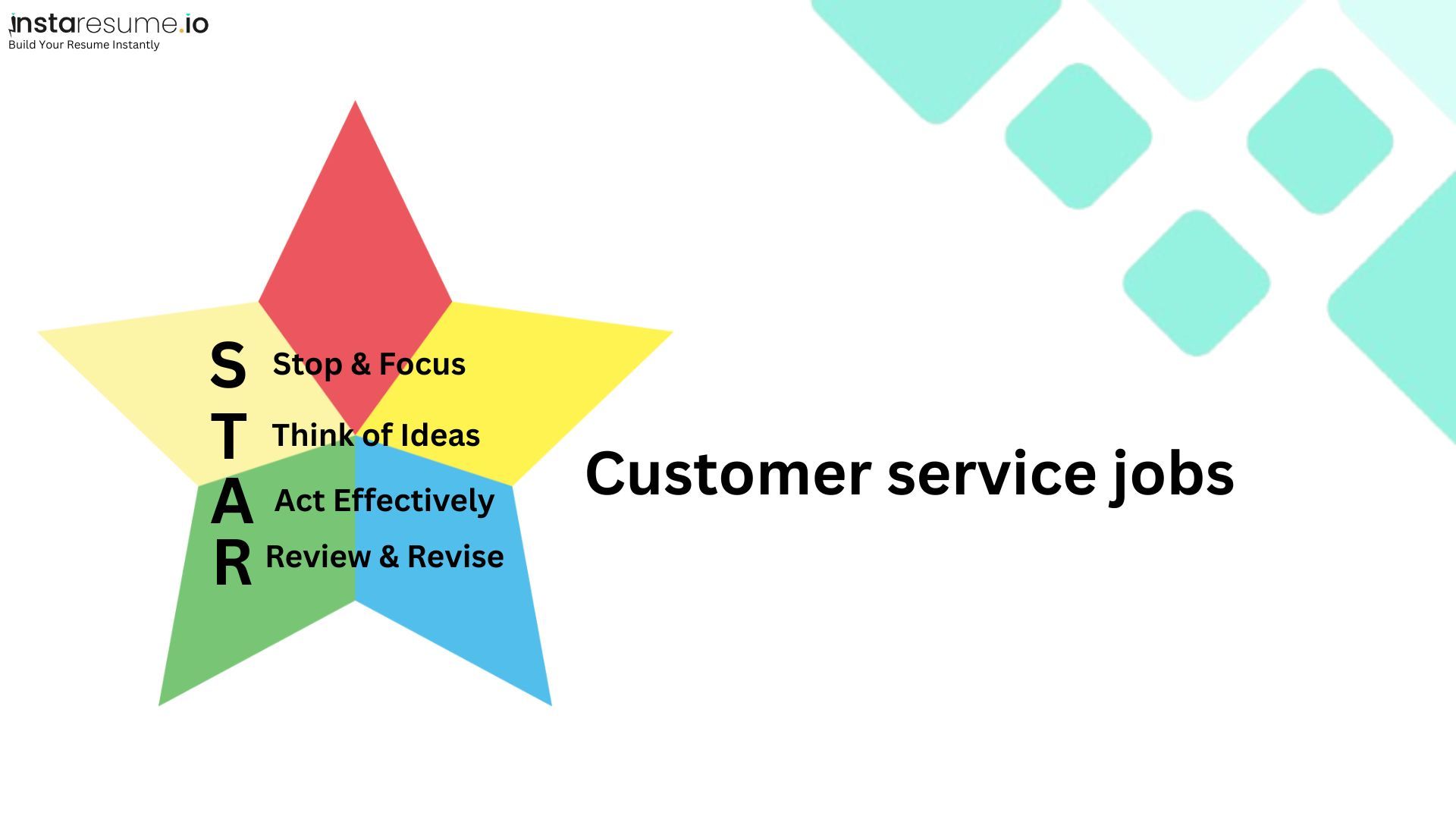
Table of Contents
Behavioral interview questions for customer service roles are a crucial part of the hiring process —especially for positions that involve direct interaction with customers, problem-solving, and maintaining brand reputation. These questions help interviewers evaluate how you handle customer concerns, manage difficult situations, and deliver a positive experience. They want to understand: Can you stay calm under pressure? How do you handle unhappy or demanding customers? Can you resolve issues while maintaining professionalism and customer satisfaction?
When you answer using the STAR method (Situation, Task, Action, Result), you present your customer service experience in a clear and structured way. It allows you to highlight not just how you handled a situation, but how you communicated, solved problems, and ensured a positive outcome—demonstrating your ability to deliver excellent service in real-world scenarios.
Why Customer Service Skills Matter in Interviews
Strong customer service skills aren’t just about answering queries—they’re about creating positive experiences, resolving issues efficiently, and representing the company’s brand in every interaction. In customer service roles, you often deal with frustrated customers, urgent problems, and high expectations. What truly matters is how you respond in those moments. Interviewers want to see whether you can stay calm, communicate clearly, and handle challenges while keeping customer satisfaction a top priority.
They’re not just evaluating your ability to assist customers—they’re assessing your overall approach to service. Can you listen actively and understand customer needs? Do you show empathy while solving problems? Are you able to balance speed with quality service? These qualities reflect strong customer service potential and show that you can contribute to long-term customer satisfaction and retention.
Practicing these scenarios in advance helps you structure your answers and respond with confidence. Using techniques like the STAR method (Situation, Task, Action, Result) ensures your responses are clear, organized, and impactful. It also allows you to highlight not just what you did, but how you handled the situation and the outcome you achieved.
Ultimately, preparation helps you do more than just answer questions—it helps you tell your customer service story. A story that shows you can handle pressure, communicate effectively, resolve issues professionally, and consistently deliver a positive experience for customers.
STAR method example: how to answer a customer service question
Here’s how to respond to a common customer service interview question using the STAR framework.
Situation
A customer received the wrong product just two days before their scheduled event. They were extremely frustrated and worried that the mix-up would ruin their plans.
Task
I needed to resolve the issue quickly, turn their negative experience into a positive one, and ensure we retained their trust and loyalty.
Action
I immediately apologized for the error and arranged express overnight shipping for the correct item at no additional cost. To go a step further, I included a handwritten apology note and offered a 20% discount on their next order as a gesture of goodwill.
Result
The customer was so pleased with the quick and thoughtful resolution that they shared the experience on social media and tagged our company. Their post gained attention and led to several new orders later that week.
Struggling to match your resume with the job description? Stop sending generic applications. With Instaresume, you can tailor your resume in minutes using AI-powered optimization that aligns your skills with the exact job description. Create an ATS friendly resume designed to pass applicant tracking systems and get noticed by recruiters faster.
Restaurant Customer Service Resume Example

Why this resume works
 The summary clearly shows experience in casual/family dining settings, making it instantly relevant to employers.
- Responsibilities are written with action verbs and measurable results, such as increasing average order value by 12%.
- The resume highlights customer service, teamwork, and high-volume service skills, which are key to restaurant roles.
- Certifications support credibility and show knowledge of hygiene and food safety standards.
- The layout is clean and easy to scan, which helps hiring managers quickly understand your strengths.
Tip: Show empathy and initiative
In customer service, great outcomes aren’t just about solving problems—they’re about showing that you genuinely care. STAR answers that highlight empathy, personal effort, and proactive thinking tend to leave a lasting impression on interviewers.
To craft such impactful answers, it helps to sharpen your interpersonal skills from active listening to emotional intelligence so you can handle conversations with authenticity and calm under pressure.
If you're preparing your resume for a customer-facing role, don’t forget to showcase relevant soft skills. You can refer to this list of skills for freshers to identify what aligns best with entry-level roles. And if you're looking for a broader list, here are some top skills to include in any resume to help you stand out.
While preparing for interviews, you may also encounter questions beyond customer scenarios. For example, quirky prompts like "Tell me three fun facts about yourself" are becoming more common. Knowing how to handle them smartly can add a human touch to your answers and help you connect better with interviewers.
Lastly, when writing formal letters or cover notes, avoid outdated phrases. Instead of using generic salutations, explore modern alternatives to ‘To Whom It May Concern’ to sound more professional and intentional.
STAR Interview Questions and Answers (9 Real Examples)
Below are 9 common customer service STAR method interview questions with structured sample answers you can customize for your own experience.
1. What Is Your Greatest Achievement?
Focus: Performance, recognition, measurable success
Sample STAR Answer:
Situation: In my previous customer service role, our team’s customer satisfaction (CSAT) score had dropped to 78% due to delayed responses.
Task: I was responsible for improving response time and overall customer experience.
Action: I analyzed common ticket categories, created quick-response templates for repetitive queries, and suggested a priority-tagging system for urgent issues. I also volunteered to handle escalations during peak hours.
Result: Within three months, our CSAT score increased from 78% to 92%, and I received recognition as “Customer Champion of the Quarter.”
2. How Do You Set and Accomplish Personal Goals Under Pressure?
Focus: Time management, prioritization
Sample STAR Answer:
Situation: During a high-volume holiday season, our team was required to resolve 30% more tickets than usual.
Task: I set a personal goal to maintain my resolution quality score above 95% while meeting the increased target.
Action: I prioritized tickets based on urgency, used structured response templates, and blocked focused time slots to avoid multitasking errors.
Result: I exceeded my target by resolving 15% more tickets than required while maintaining a 97% quality rating.
3. Tell Me About a Conflict With a Coworker
Focus: Communication, professionalism
Sample STAR Answer:
Situation: A coworker and I disagreed about how to handle escalated complaints.
Task: We needed to find a solution quickly because delays were affecting response times.
Action: I suggested we review company escalation policies together and discuss our viewpoints openly. We agreed on a clearer handover process for complex cases.
Result: Our collaboration improved, and escalated case resolution time decreased by 20%.
4. How Do You Handle Unexpected Challenges?
Focus: Adaptability
Sample STAR Answer:
Situation: During peak hours, our CRM system unexpectedly went offline.
Task: I needed to ensure customers still received support without system access.
Action: I manually recorded customer details, provided immediate solutions when possible, and followed up once the system was restored. I also kept customers informed about delays.
Result: We maintained service continuity, and customers appreciated the proactive communication, reflected in positive feedback emails.
5. Have You Ever Corrected a Client Who Was Wrong?
Focus: Tact, diplomacy, professionalism
Sample STAR Answer:
Situation: A customer insisted they were incorrectly charged, but records showed the charge was valid.
Task: I had to clarify the misunderstanding without upsetting the customer.
Action: I calmly explained the billing breakdown, shared invoice details, and offered to walk them through each charge step-by-step.
Result: The customer understood the explanation and even appreciated the transparency, leaving a positive review afterward.
6. Tell Me About a Time You Failed
Focus: Accountability + learning
Sample STAR Answer:
Situation: Early in my role, I missed a follow-up deadline for an important client.
Task: I needed to resolve the issue and prevent it from happening again.
Action: I apologized to the client, resolved their concern immediately, and implemented a task reminder system for all follow-ups.
Result: The client remained with the company, and I never missed another follow-up deadline. It improved my accountability and time management skills.
7. How Do You Handle Angry Customers?
Focus: Emotional intelligence, de-escalation
Sample STAR Answer:
Situation: A customer called extremely frustrated due to a delayed order.
Task: My responsibility was to calm them down and resolve the issue.
Action: I actively listened without interrupting, acknowledged their frustration, apologized sincerely, and offered expedited shipping plus a small discount as compensation.
Result: The customer thanked me for resolving the issue quickly and later gave a 5-star service rating.
8. Tell Me About a Time You Went Above and Beyond
Focus: Customer experience excellence
Sample STAR Answer:
Situation: A customer needed urgent assistance outside regular business hours.
Task: Although my shift had ended, I wanted to ensure their issue was resolved.
Action: I stayed an extra 30 minutes, coordinated with the technical team, and personally followed up the next day to confirm everything was working properly.
Result: The customer wrote a testimonial praising the exceptional service, and my manager acknowledged my dedication.
9. Describe a Goal You Set but Didn’t Meet
Focus: Resilience, adaptability
Sample STAR Answer:
Situation: I aimed to achieve a 25% sales conversion rate during a promotional campaign.
Task: I worked toward improving product recommendations and upselling techniques.
Action: Despite refining my pitch and analyzing customer needs, I achieved 20% instead of 25%.
Result: Although I didn’t fully meet the goal, I improved my conversion rate by 8% compared to the previous month and identified new strategies that helped me exceed targets in the following quarter.
Apply smarter. Get shortlisted faster. 🚀
Create your resume with Instaresume
Want to make the process faster? Use an AI-powered resume builder that helps you create a modern, ATS-friendly resume in minutes — complete with professionally written content suggestions and customizable templates.
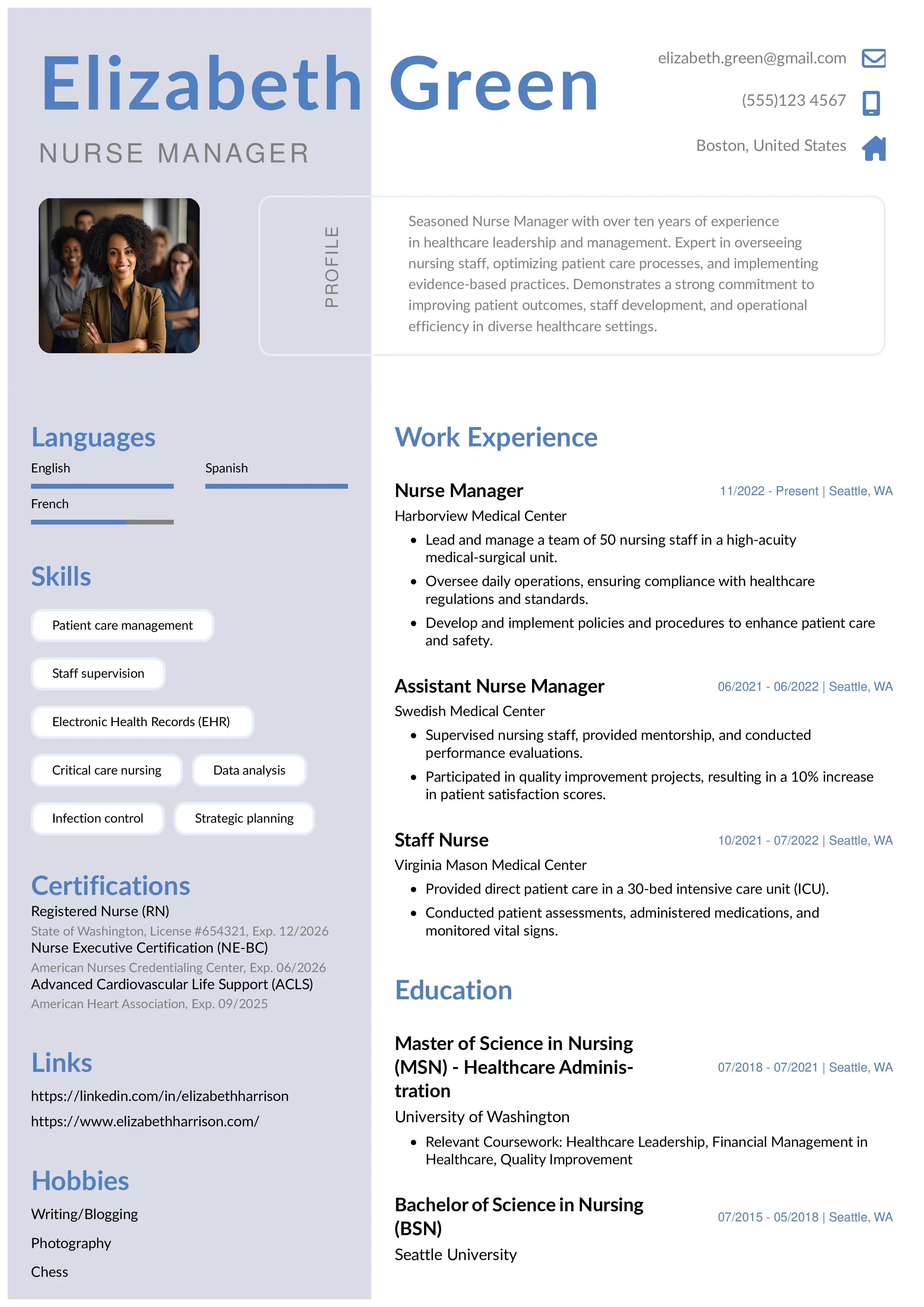
Edit and download this nurse manager resume example created using the Instaresume's sky creative resume template.
Create cover letter with Instaresume
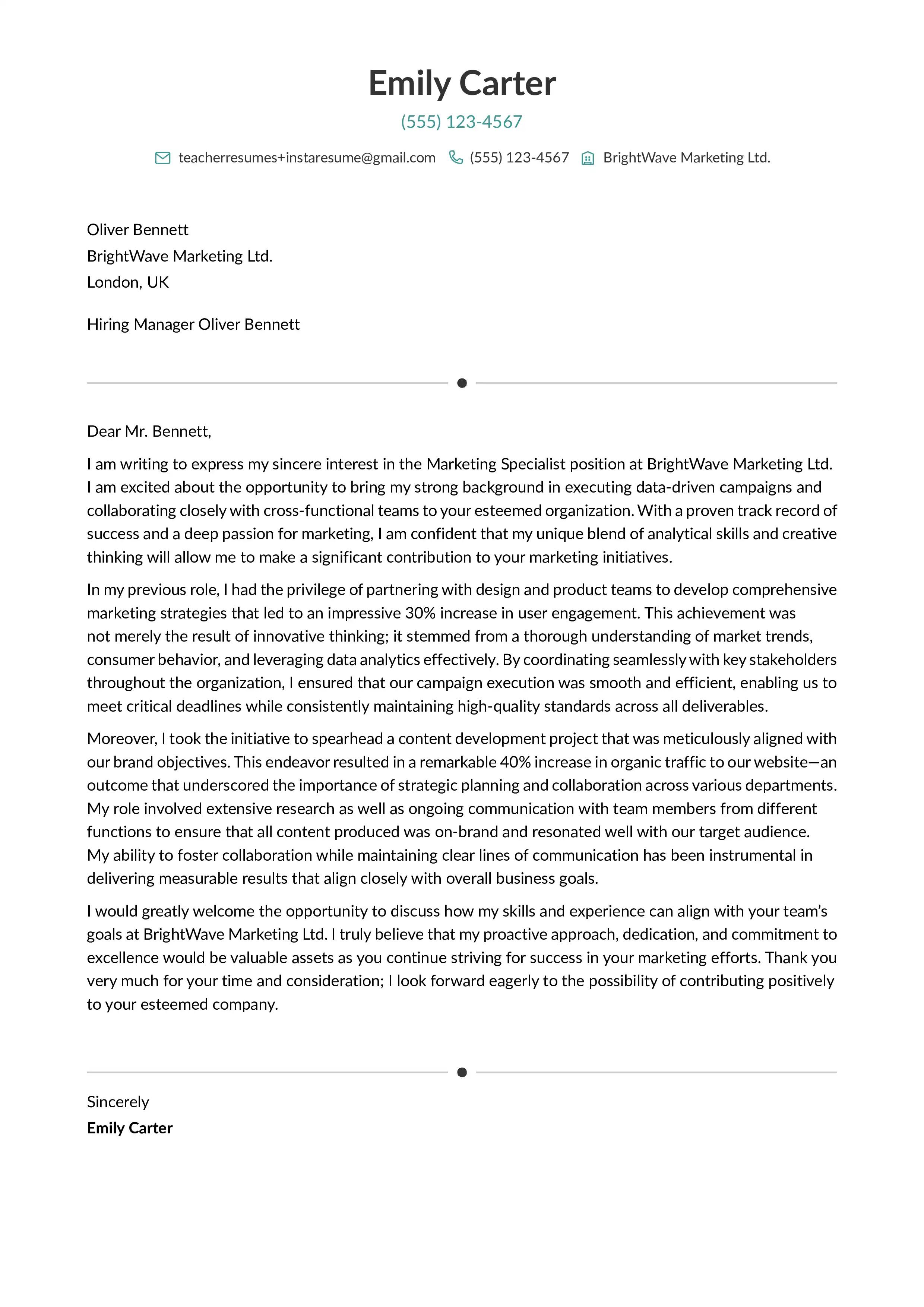
Edit and download this example example of Marketing specialist cover letter created by Instaresume's cover letter builder
FAQs
1. What is the STAR method in customer service interviews?
The STAR method is a structured way to answer behavioral interview questions. STAR stands for Situation, Task, Action, and Result. In customer service interviews, it helps candidates clearly explain how they handled real scenarios like dealing with angry customers, resolving complaints, or meeting service targets.
2. Why do employers use STAR method interview questions?
Employers use STAR method interview questions to evaluate real-world experience rather than theoretical knowledge. It helps hiring managers assess communication skills, problem-solving ability, conflict resolution, emotional intelligence, and customer handling skills.
3. How long should a STAR method answer be?
A strong STAR response should be between 1–2 minutes long. Keep the Situation and Task brief, focus more on the Action you took, and clearly explain measurable Results.
4. What are common STAR interview questions for customer service roles?
Common behavioral questions include:
- Tell me about a time you handled a difficult customer.
- Describe a conflict with a coworker and how you resolved it.
- Give an example of when you went above and beyond for a customer.
- Tell me about a time you failed and what you learned.
- How do you handle high-pressure situations?
These questions test real-life customer service experience.
5. How can I prepare STAR examples for a customer service interview?
Prepare 5–7 strong examples in advance covering:
- Handling angry customers
- Conflict resolution
- Achieving targets
- Team collaboration
- Problem-solving
- Dealing with pressure
- A professional failure and lesson learned
To present these experiences effectively, you can use resume templates that help structure your achievements clearly and professionally. Match your examples to the job description for better alignment.
6. What mistakes should I avoid when using the STAR method?
Common mistakes include:
- Giving vague answers
- Talking too long about the situation
- Forgetting measurable results
- Blaming others for failures
- Not showing what you personally did
Always focus on your specific actions and outcomes. You can also use an ATS resume checker to ensure your resume highlights the right keywords and aligns with job requirements.
7. Can I use the STAR method if I have no customer service experience?
Yes. You can use examples from:
- College projects
- Internships
- Volunteer work
- Retail or part-time jobs
- Group assignments
The key is demonstrating transferable skills like communication, teamwork, and problem-solving. If you’re starting from scratch, an AI resume builder can help you create a strong, job-ready resume quickly.
8. Is the STAR method only used for customer service interviews?
No. The STAR technique is used across industries including sales, marketing, IT support, HR, healthcare, and management roles. However, it is especially important in customer service jobs because they rely heavily on real-world problem-solving and communication.
9. How do I show customer satisfaction in a STAR answer?
To demonstrate customer satisfaction, include measurable outcomes such as positive feedback, repeat business, improved ratings, or reduced complaints. For example, mention if a customer appreciated your help, left a positive review, or if your solution improved service efficiency. This shows your real impact.
10. Should I include metrics in my STAR responses for customer service roles?
Yes, including metrics makes your answers more credible and impactful. Whenever possible, mention numbers like reduced response time, increased customer satisfaction scores, higher retention rates, or faster issue resolution. Even small measurable improvements can strengthen your answer significantly. You can also tailor your resume to highlight these achievements based on the job description for better results.
Conclusion
Preparing for STAR interview questions in customer service jobs is about more than just structuring your answers it’s about showcasing your ability to handle real customer interactions with confidence and professionalism. When you clearly explain how you’ve managed challenges, resolved issues, and created positive experiences, you position yourself as a strong candidate who can add real value.
Focus on using relevant examples that highlight your communication skills, problem-solving ability, and customer-first mindset. The more you practice, the more natural and impactful your responses will become.
Ultimately, mastering the STAR method helps you do more than answer questions—it helps you tell a compelling story. A story that proves you can stay calm under pressure, build trust with customers, and consistently deliver excellent service in any situation.