
STAR interview questions for leadership and management roles

Trust Score: 4.8
387 reviews
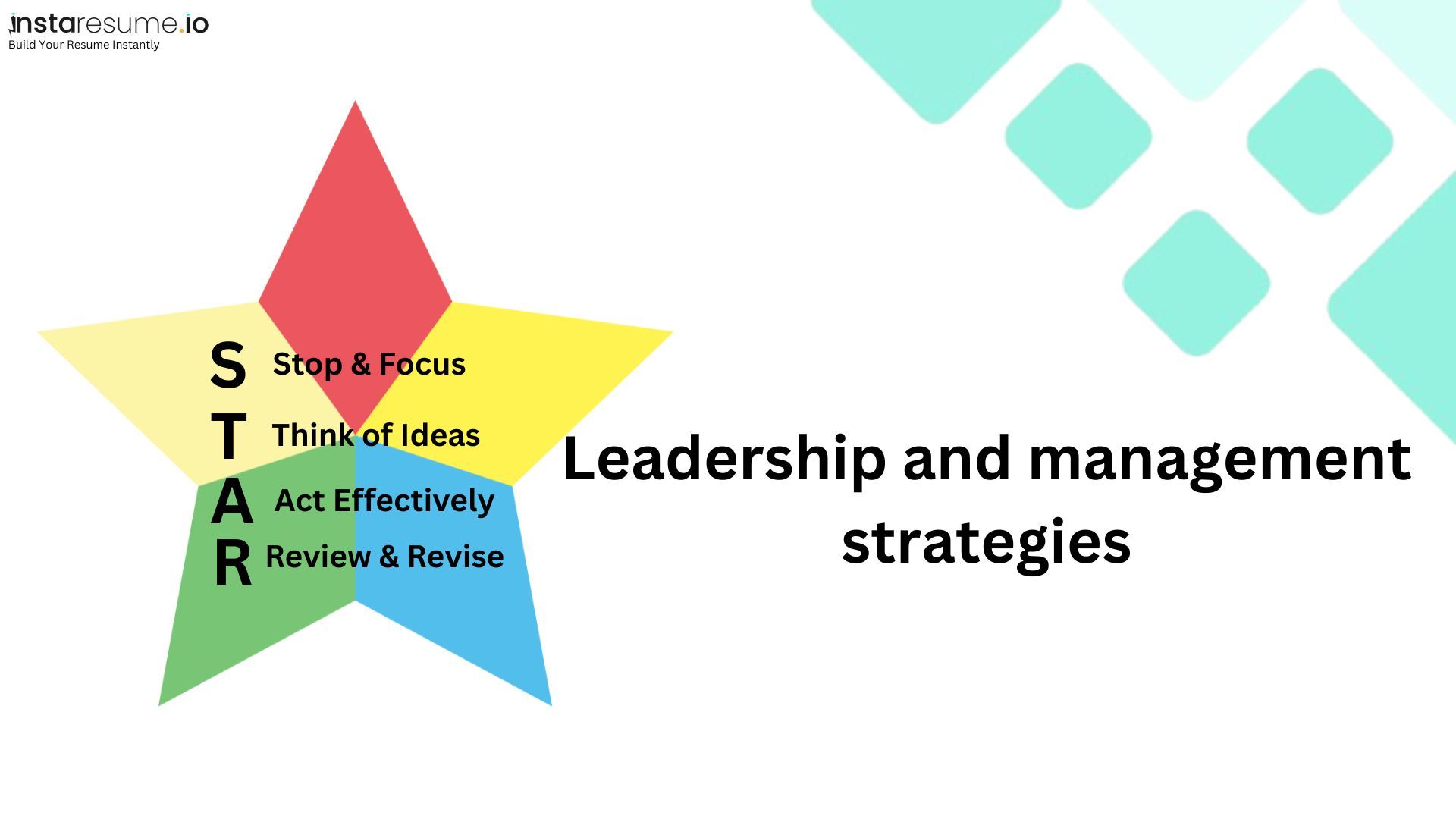
Table of Contents
Behavioral interview questions for leadership and management roles are a key part of the hiring process—especially for positions that require decision-making, team handling, and strategic thinking. These questions help interviewers evaluate how you lead teams, handle responsibility, and drive results. They want to understand: Can you motivate and guide a team effectively? How do you handle pressure and accountability? Can you make decisions that align with business goals while managing people?
When you answer using the STAR method (Situation, Task, Action, Result), you present your leadership experience in a clear and structured way. It allows you to showcase not just what you achieved, but how you led, communicated, and made an impact—demonstrating your ability to think strategically and manage real-world challenges.
Create your resume with Instaresume
Want to make the process faster? Use an AI-powered resume builder that helps you create a modern, ATS-friendly resume in minutes — complete with professionally written content suggestions and customizable templates.
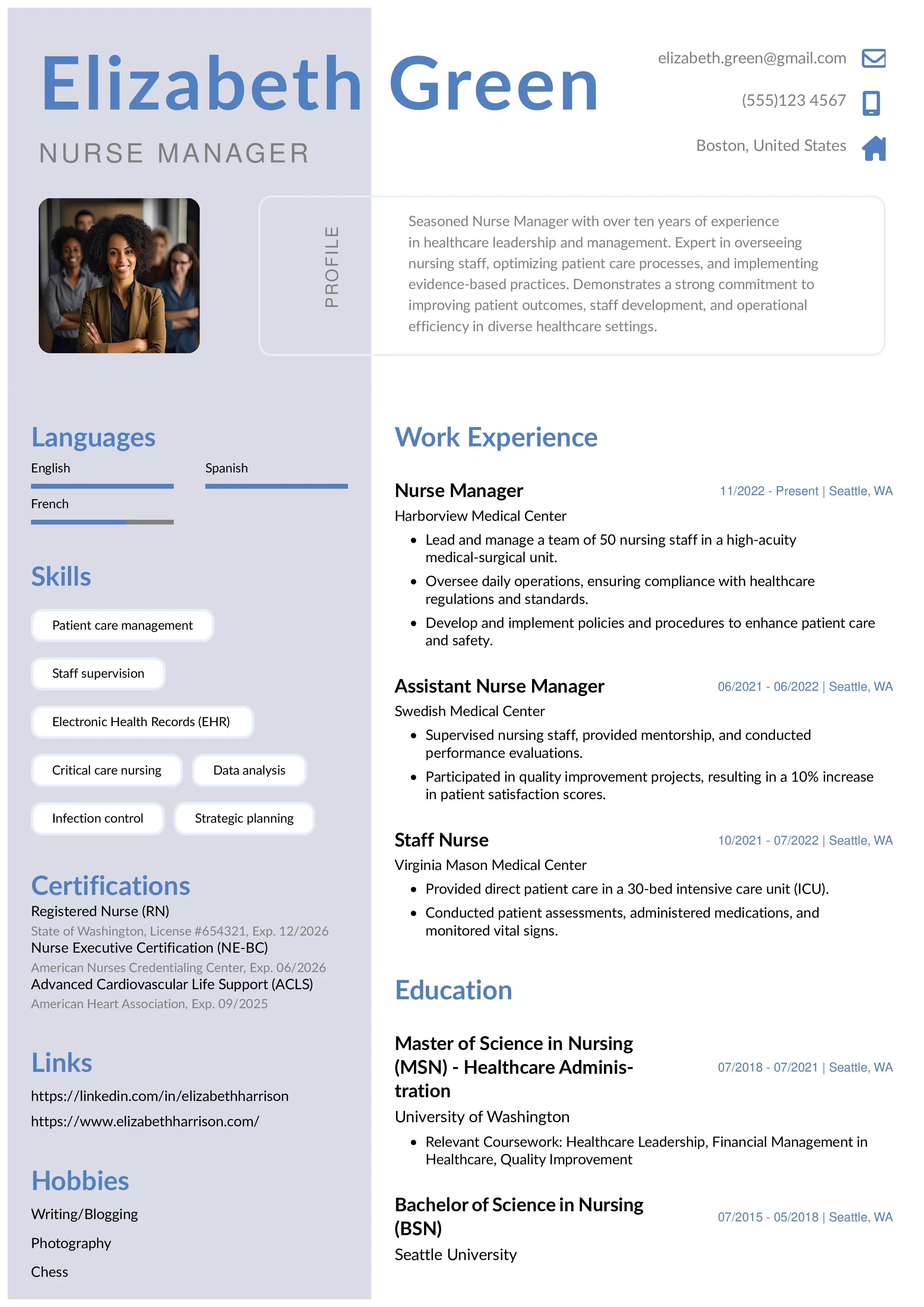
Edit and download this nurse manager resume example created using the Instaresume's sky creative resume template.
Create cover letter with Instaresume
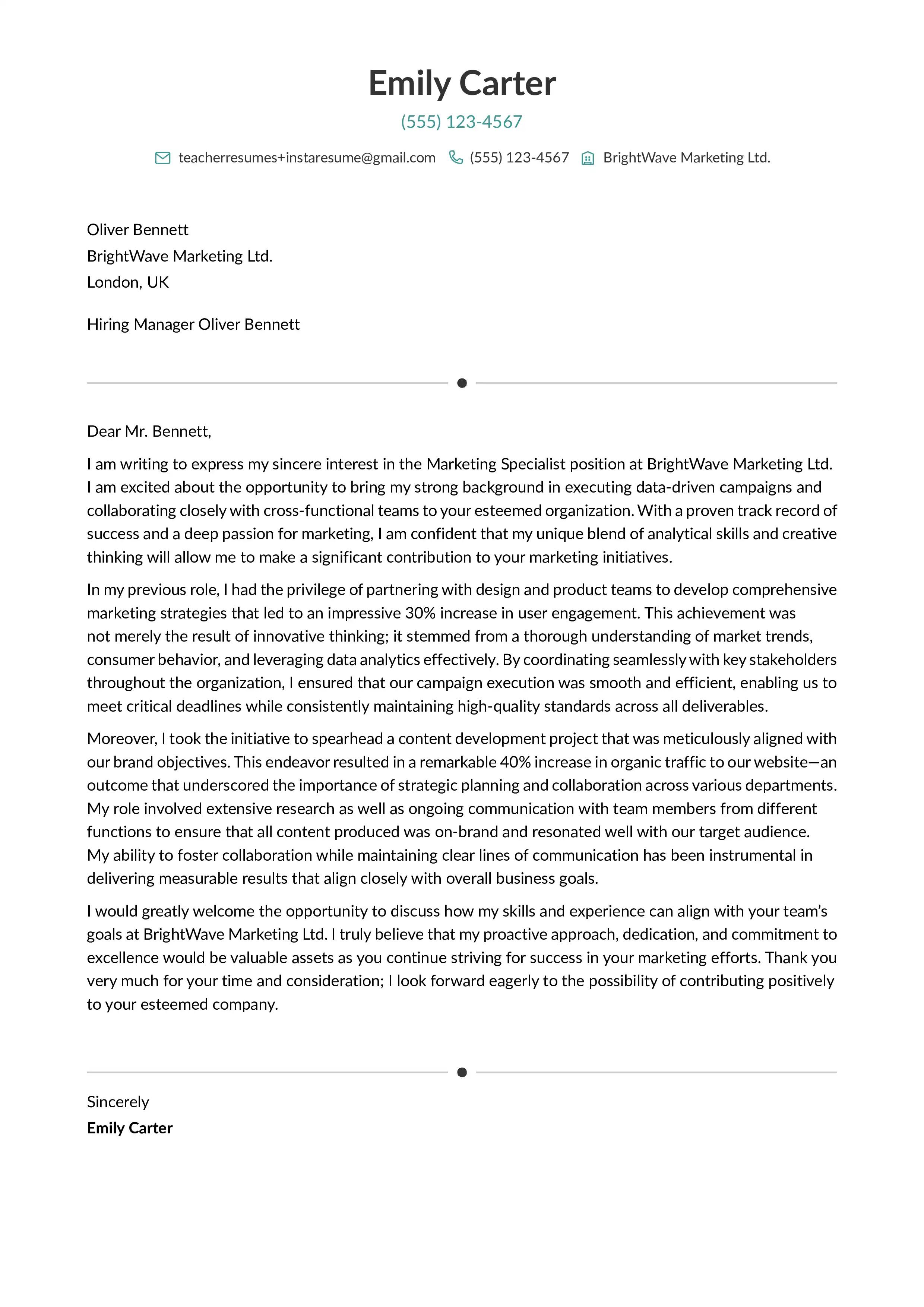
Edit and download this example of Marketing specialist cover letter created by Instaresume's cover letter builder
Why Leadership and Management Skills Matter in Interviews
Effective leadership isn’t just about setting goals or managing tasks—it’s about guiding people through challenges, making tough decisions, and maintaining team alignment. In leadership and management roles, you’re constantly dealing with competing priorities, diverse personalities, and high-pressure situations. What truly matters is how you step up in those moments. Interviewers want to see whether you can lead with clarity, take ownership, and keep your team focused even when things don’t go as planned.
They’re not just evaluating your ability to manage—they’re assessing your leadership mindset. Can you inspire and motivate your team? Do you take accountability for both successes and failures? Are you able to balance results with people management? These qualities reflect strong leadership potential and signal that you’re ready to handle greater responsibility within an organization.
To prepare effectively, it’s important to practice answering leadership-focused situational questions. These are designed to mirror real workplace scenarios where you might need to lead a team through change, resolve internal challenges, or make critical decisions under pressure. You could be asked about a time you handled a difficult team member, led a project with tight deadlines, or made a decision that impacted others.
Practicing these scenarios in advance helps you organize your thoughts and present your experiences with confidence. Using structured techniques like the STAR method (Situation, Task, Action, Result) ensures your answers are clear, impactful, and easy for interviewers to follow. It also allows you to highlight not just outcomes, but your leadership approach and decision-making process.
Ultimately, strong preparation helps you go beyond simply answering questions—it allows you to demonstrate your leadership story. A story that shows you can take initiative, guide teams effectively, navigate challenges with confidence, and consistently deliver meaningful results in complex environments.
STAR Example: Leadership and Management in Action
The STAR method (Situation, Task, Action, Result) is a powerful framework to answer leadership and management interview questions with clarity and impact. It helps you demonstrate how you’ve led teams, handled responsibilities, made decisions, and delivered results in real-world scenarios.
By using this approach, you show interviewers your ability to lead under pressure, communicate effectively, and drive outcomes while managing people and priorities.
Example 1: Leading a Team Through a Tight Deadline
Situation
During a critical project, our team was given a tight deadline after unexpected changes in client requirements. This created stress and confusion among team members.
Task
As the team lead, I was responsible for reorganizing the workflow, maintaining team morale, and ensuring timely delivery without compromising quality.
Action
I broke the project into smaller tasks, reassigned responsibilities based on individual strengths, and set clear daily milestones. I also conducted quick check-ins to address challenges and keep everyone aligned.
Result
The team successfully delivered the project on time, and the structured approach improved efficiency and reduced stress across the team.
Example 2: Managing Underperforming Team Members
Situation
I noticed that one of my team members was consistently missing deadlines, which started affecting overall project progress.
Task
My goal was to address the issue constructively, improve their performance, and ensure the team stayed on track.
Action
I had a one-on-one conversation to understand the root cause. After identifying gaps in workload management, I provided guidance, set clearer expectations, and offered support through regular follow-ups.
Result
The team member improved significantly, met deadlines consistently, and contributed more effectively to the team’s success.
Example 3: Making a Difficult Decision as a Leader
Situation
During a project, we had to choose between two strategies—one low-risk with moderate returns and another high-risk with higher potential impact.
Task
As the decision-maker, I needed to evaluate both options and choose the best path aligned with business goals.
Action
I gathered input from key stakeholders, analyzed data, and assessed potential risks and rewards. I then communicated the decision transparently, explaining the reasoning to the team.
Result
We chose the high-impact strategy, which led to better-than-expected results and increased stakeholder confidence in our decision-making process.
Example 4: Handling Conflict Within a Team
Situation
Two team members had a disagreement regarding task ownership, which began affecting collaboration and productivity.
Task
As a leader, I needed to resolve the conflict quickly and restore a positive working environment.
Action
I facilitated a discussion where both individuals could share their perspectives. I clarified roles, set clear expectations, and emphasized team goals over individual differences.
Result
The conflict was resolved, teamwork improved, and the project continued smoothly without further issues.
Example 5: Driving Change in a Team
Situation
Our team was resistant to adopting a new tool that could improve efficiency, mainly due to unfamiliarity and comfort with existing processes.
Task
I needed to implement the change while ensuring team buy-in and minimal disruption.
Action
I organized training sessions, demonstrated the benefits through small use cases, and encouraged feedback during the transition.
Result
The team gradually adopted the new tool, leading to improved productivity and smoother workflows in the long run.
Pro Tip: Choose Leadership Examples That Show Clear Results
When answering leadership and management questions, always choose examples that end with a clear and positive outcome. Interviewers aren’t just interested in how you handled responsibility—they want to see that your leadership led to measurable results, improved team performance, or successful project completion.
Focus on situations where your actions made a real impact. Did your decision improve efficiency? Did your leadership resolve a challenge or motivate the team? Strong examples show not just effort, but effectiveness—demonstrating that you can lead with purpose and deliver results.
You should also be prepared beyond behavioral interviews. For example, understanding how to present your experience effectively through a well-structured resumes or knowing how to communicate professionally during career transitions can strengthen your overall profile.
Having clarity on key job application elements and being prepared for different stages of your career journey ensures you’re not just interview-ready—but fully career-ready. If you’re starting from scratch, using a free AI resume builder tool can help you create a professional resume in minutes with minimal effort.
FAQs
1. What are STAR interview questions for leadership roles?
STAR interview questions are behavioral questions that assess how you’ve handled leadership situations in the past. They focus on your ability to lead teams, make decisions, solve problems, and deliver results using the Situation, Task, Action, Result framework.
2. Why do interviewers ask leadership-based STAR questions?
Interviewers use these questions to evaluate your real-world leadership experience. They want to understand how you manage teams, handle pressure, take responsibility, and contribute to organizational goals.
3. How do I choose the best examples for leadership questions?
Pick examples where you had clear responsibility, took initiative, and achieved measurable results. Focus on situations that highlight decision-making, problem-solving, and team management.
4. Can I use the same example for multiple leadership questions?
Yes, but it’s better to have a variety of examples. This shows a broader range of experience and makes your responses more engaging and credible.
5. What if I don’t have formal leadership experience?
You can use examples from group projects, internships, volunteering, or any situation where you took initiative or guided others. Leadership isn’t limited to job titles.
6. How long should my STAR answer be?
Aim for 1–2 minutes per answer. Keep it concise but detailed enough to clearly explain the situation, your actions, and the results.
7. What mistakes should I avoid in STAR answers?
Avoid being too vague, focusing too much on the team instead of your role, or not clearly explaining the outcome. Always highlight your specific contributions and results.
8. How do I show impact in leadership answers?
Use measurable outcomes whenever possible, such as improved efficiency, increased revenue, reduced errors, or enhanced team performance. Numbers make your answers stronger.
9. Should I include failures in leadership examples?
Yes, but only if you can show what you learned and how you improved. This demonstrates self-awareness, growth, and resilience—key leadership traits.
10. How can I practice STAR interview questions effectively?
Practice by writing down your experiences and structuring them using the STAR format. Rehearse your answers out loud, refine them for clarity, and focus on highlighting your leadership impact. Additionally, using a resume checker can help ensure your resume aligns with job descriptions and effectively showcases your leadership and management skills.
Conclusion
Preparing for STAR interview questions in leadership and management roles isn’t just about memorizing answers—it’s about understanding your experiences and presenting them in a structured, impactful way. When you clearly communicate how you’ve led teams, made decisions, and delivered results, you position yourself as a strong and capable candidate.
The key is to focus on real examples that highlight your leadership mindset, problem-solving ability, and accountability. With the right preparation and practice, you’ll not only answer questions confidently but also demonstrate that you’re ready to take on leadership responsibilities and drive meaningful outcomes.