
Best STAR method examples for conflicts resolution in interviews

Trust Score: 4.8
387 reviews
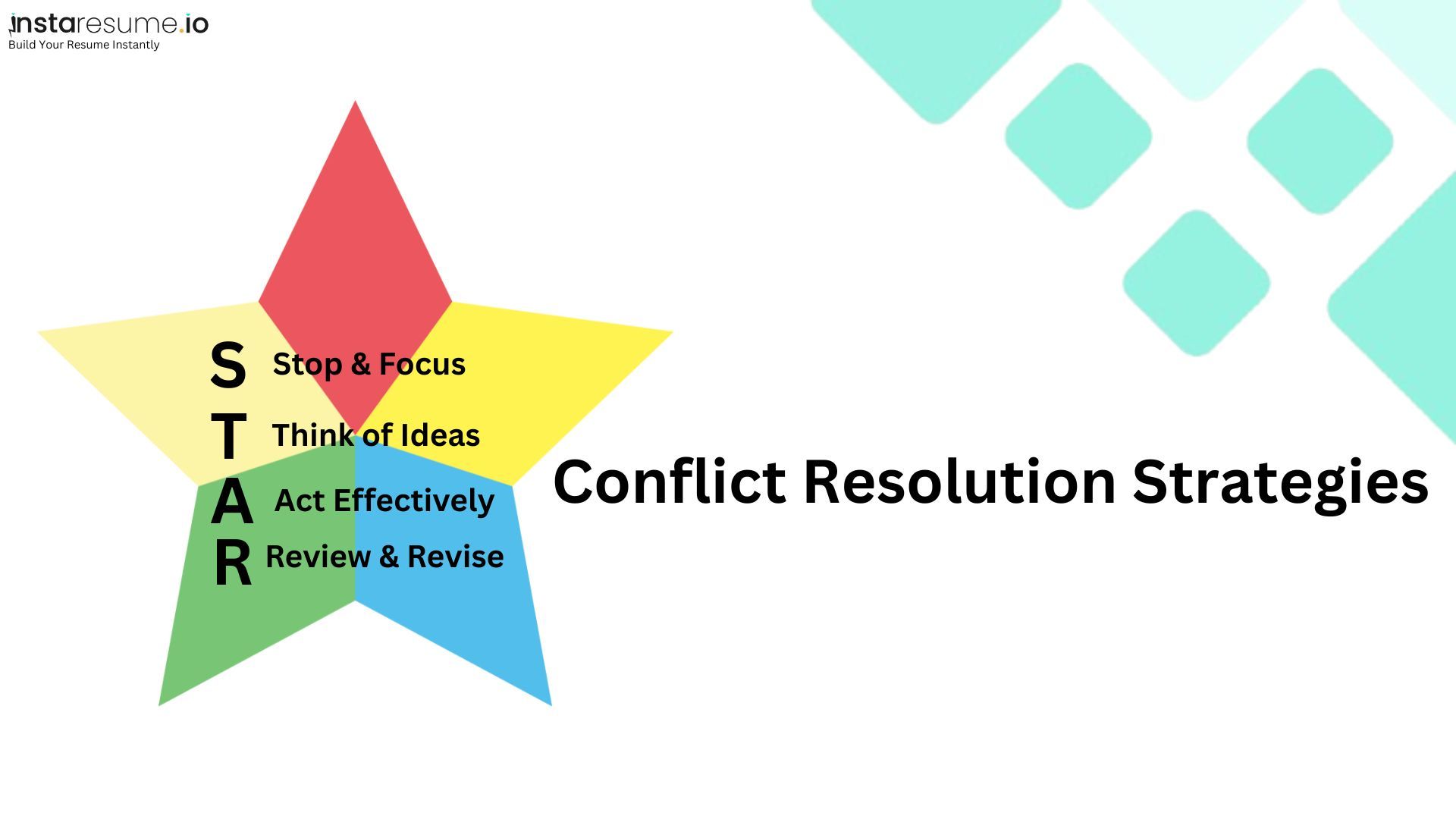
Table of Contents
Behavioral interview questions about conflict are favorites among interviewers — for good reason. In fact, companies now spend 60% of interview time on behavioral questions versus 40% on technical skills revarta, and conflict resolution is consistently among the most common themes. These questions give interviewers insight into your interpersonal skills, emotional intelligence, and how well you navigate difficult situations.
They want to know: Can you collaborate with strong or contrasting personalities? Do you stay composed when tensions rise? Can you resolve issues while keeping the bigger picture in mind? When you respond using the STAR method (Situation, Task, Action, Result), you provide a structured, compelling narrative that highlights not only the challenge but also your logic, empathy, and conflict-resolution abilities.
Why conflict resolution matters
Managing conflict effectively isn’t just about avoiding drama, it’s a clear indicator of leadership potential, strong collaboration skills, and professional maturity. In today’s workplace, disagreements are inevitable, whether they stem from differing opinions, tight deadlines, or miscommunication. What truly sets you apart is how you handle those moments. Interviewers pay close attention to whether you can remain calm under pressure, approach situations diplomatically, and still focus on achieving results without damaging relationships.
They’re not just assessing your ability to resolve conflict, they’re evaluating your emotional intelligence, communication style, and problem-solving approach. Can you listen actively? Do you consider multiple perspectives? Are you able to turn a challenging situation into a productive outcome? These are the qualities that signal you’re ready for greater responsibility and leadership roles.
To prepare for this effectively, it’s important to familiarize yourself with a wide range of situational interview questions. These questions are designed to simulate real workplace scenarios, helping you demonstrate how you would respond in moments of conflict, high pressure, or uncertainty. For example, you might be asked about a time you disagreed with a team decision, handled a difficult colleague, or managed competing deadlines.
Practicing these scenarios in advance allows you to structure your answers thoughtfully, rather than reacting on the spot. Techniques like the STAR method (Situation, Task, Action, Result) can help you present your experiences in a clear and compelling way. The more you practice, the more confident and composed you’ll appear during the interview.
Ultimately, being well-prepared doesn’t just help you answer questions it helps you tell a story. A story that shows you’re not only capable of handling challenges, but also someone who can contribute positively to a team, navigate complexities with professionalism, and consistently deliver results even in difficult situations.
STAR example: Conflict management in action
The STAR method (Situation, Task, Action, Result) is a structured way to answer behavioral interview questions, especially those related to conflict resolution. It helps you clearly explain how you handled disagreements, managed different perspectives, and reached a positive outcome.
By using this method, you show interviewers your ability to stay professional under pressure, effectively, and resolve conflicts in a constructive and results-driven way.
Example 1: Team Conflict Over Project Priorities
Situation
During a time-sensitive product launch, a coworker and I disagreed on how to allocate the project’s limited budget. I believed more funds should go toward digital marketing, while they prioritized design improvements. This disagreement started delaying decisions and affecting team morale.
Task
My responsibility was to resolve the conflict, ensure alignment, and keep the project on track without compromising quality.
Action
I initiated a calm and respectful discussion with my coworker and involved our project lead to provide a neutral perspective. I presented data to support my viewpoint and actively listened to their concerns. Together, we evaluated both sides and collaborated on a revised budget plan that addressed both marketing and design needs.
Result
The conflict was resolved quickly, and we implemented a balanced strategy. The project was completed ahead of schedule, and our improved communication helped prevent similar conflicts in future projects.
Example 2: Conflict Within a Team on Task Ownership
Situation
In one project, two team members had overlapping responsibilities, which led to confusion and tension about task ownership. This started affecting productivity and created friction within the team.
Task
As the team coordinator, I needed to address the conflict, clarify roles, and ensure smooth collaboration moving forward.
Action
I organized a team meeting to openly discuss the issue. I encouraged both individuals to share their perspectives and ensured the conversation remained respectful. Then, I redefined roles and responsibilities based on each person’s strengths and documented them clearly to avoid future overlap.
Result
The clarity reduced misunderstandings, improved team efficiency, and restored a positive working environment. Both team members were able to collaborate more effectively, and the project progressed without further issues.
Example 3: Conflict with a Manager Over Approach
Situation
During a project, my manager and I had differing opinions on the approach to solving a recurring issue. I believed a long-term solution was needed, while they preferred a quick fix to meet immediate deadlines.
Task
I needed to address the disagreement respectfully while ensuring the best outcome for the project.
Action
I scheduled a one-on-one discussion to better understand my manager’s perspective. I acknowledged their concerns about timelines and presented a comparison of both approaches, highlighting potential long-term risks of a quick fix. I proposed a hybrid solution that addressed the immediate issue while planning for a sustainable fix in the next phase.
Result
My manager appreciated the balanced approach, and we implemented the hybrid solution. This resolved the issue quickly while setting up a long-term improvement plan, strengthening our professional trust.
Example 4: Conflict Between Team Members Affecting Delivery
Situation
Two team members on my project had a disagreement over how to execute a key feature, which escalated into personal friction and began delaying progress.
Task
As part of the team, I took the initiative to help resolve the conflict and keep the project on schedule.
Action
I facilitated a discussion where both individuals could express their viewpoints in a structured way. I redirected the conversation toward project goals rather than personal differences and encouraged them to focus on data and outcomes. We then agreed to test both approaches on a smaller scale to determine the best option.
Result
The data-driven approach helped resolve the disagreement objectively. The team adopted the more effective solution, deadlines were met, and collaboration improved significantly.
Example 5: Conflict with a Client Over Expectations
Situation
A client was dissatisfied with the initial deliverables, believing they didn’t align with their expectations, which led to tension and repeated revisions.
Task
I was responsible for addressing the client’s concerns, rebuilding trust, and ensuring alignment moving forward.
Action
I arranged a call to actively listen to the client’s feedback and clarify their expectations in detail. I acknowledged the gap and took responsibility for the misalignment. Then, I created a revised plan with clear checkpoints and regular updates to ensure transparency throughout the process.
Result
The client felt heard and became more cooperative. The revised deliverables met their expectations, and the improved communication led to a stronger, long-term working relationship.
Pro Tip: Choose conflict examples that end in resolution
When answering questions about conflict, always select examples that conclude on a positive note. Employers aren’t just testing how you cope with tension—they want to see that you can resolve issues professionally, maintain team cohesion, and turn friction into forward momentum.
You’ll also want to stay interview-ready beyond behavioral questions. For instance, when it's time to move on from a job, knowing how to write a professional resignation letter can help you leave on good terms.
Understanding basic job application differences like CV vs Resume is equally important. And if you’re starting from scratch, check out these free professional resume outlines that can help you get started in minutes.
FAQs
1. What is the STAR method in conflict resolution interview answers?
The STAR method stands for Situation, Task, Action, and Result. It helps you structure your answer clearly by explaining the context, your responsibility, the steps you took to resolve the conflict, and the outcome.
2. Why do interviewers ask conflict resolution questions?
Interviewers ask these questions to assess your communication skills, emotional intelligence, problem-solving ability, and how professionally you handle workplace disagreements.
3. How do I choose the best conflict example for a STAR answer?
Pick a real situation where you handled conflict calmly, took initiative, and achieved a positive or learning-driven outcome. Avoid examples where you were overly aggressive or passive.
4. Can I use a team conflict example if I am a fresher?
Yes, freshers can use examples from college projects, internships, or group activities where disagreements occurred and were resolved effectively.
5. What kind of conflicts should I avoid mentioning in interviews?
Avoid highly personal conflicts, blaming others, or situations where the issue remained unresolved. Focus on professional and constructive scenarios.
6. How long should a STAR method answer be for conflict resolution?
A well-structured answer should be around 1–2 minutes long, ensuring each part of STAR is covered without unnecessary details.
7. What are common mistakes when answering conflict resolution questions?
Common mistakes include blaming others, being vague, skipping the result, over-explaining the problem, or not showing what you personally did.
8. How can I make my STAR answer more impactful?
Focus on measurable results, highlight your communication approach, and emphasize what you learned or improved from the situation.
9. Is it okay if the conflict didn’t have a perfect outcome?
Yes, as long as you demonstrate maturity, learning, and a constructive approach to handling the situation, even if the result wasn’t perfect.
10. How can I practice STAR method answers for conflict resolution?
Practice by writing down a few scenarios, structuring them using STAR, and rehearsing out loud. Mock interviews can also help improve clarity and confidence.
Create your resume with Instaresume
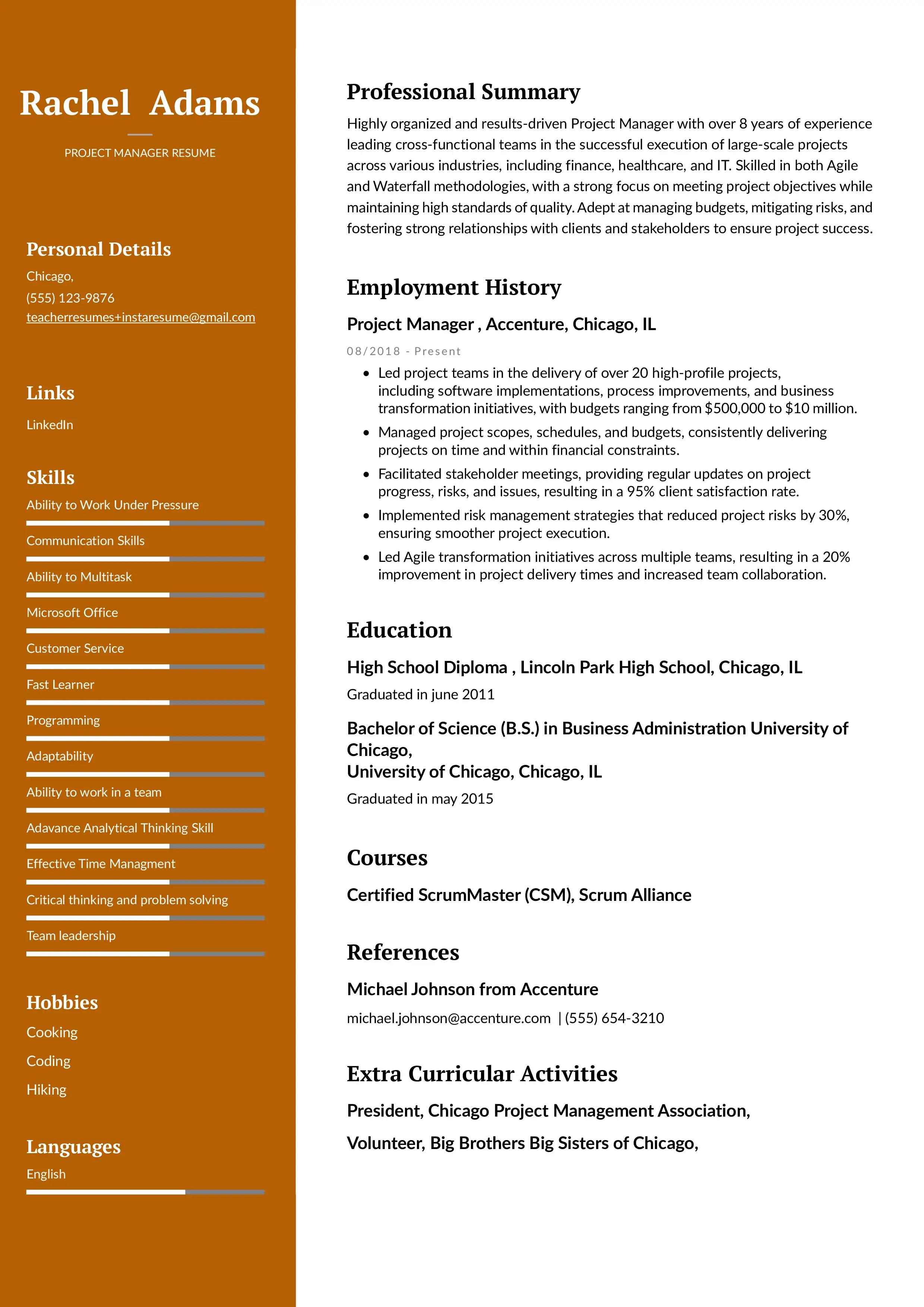
Want to make the process faster? Use an AI-powered resume builder that helps you create a modern, ATS-friendly resume in minutes — complete with professionally written content suggestions and customizable templates.
Edit and download this example of a Project manager resume created using the Instaresume's Forest · Two column resume template with side bar left · InstaResume.io
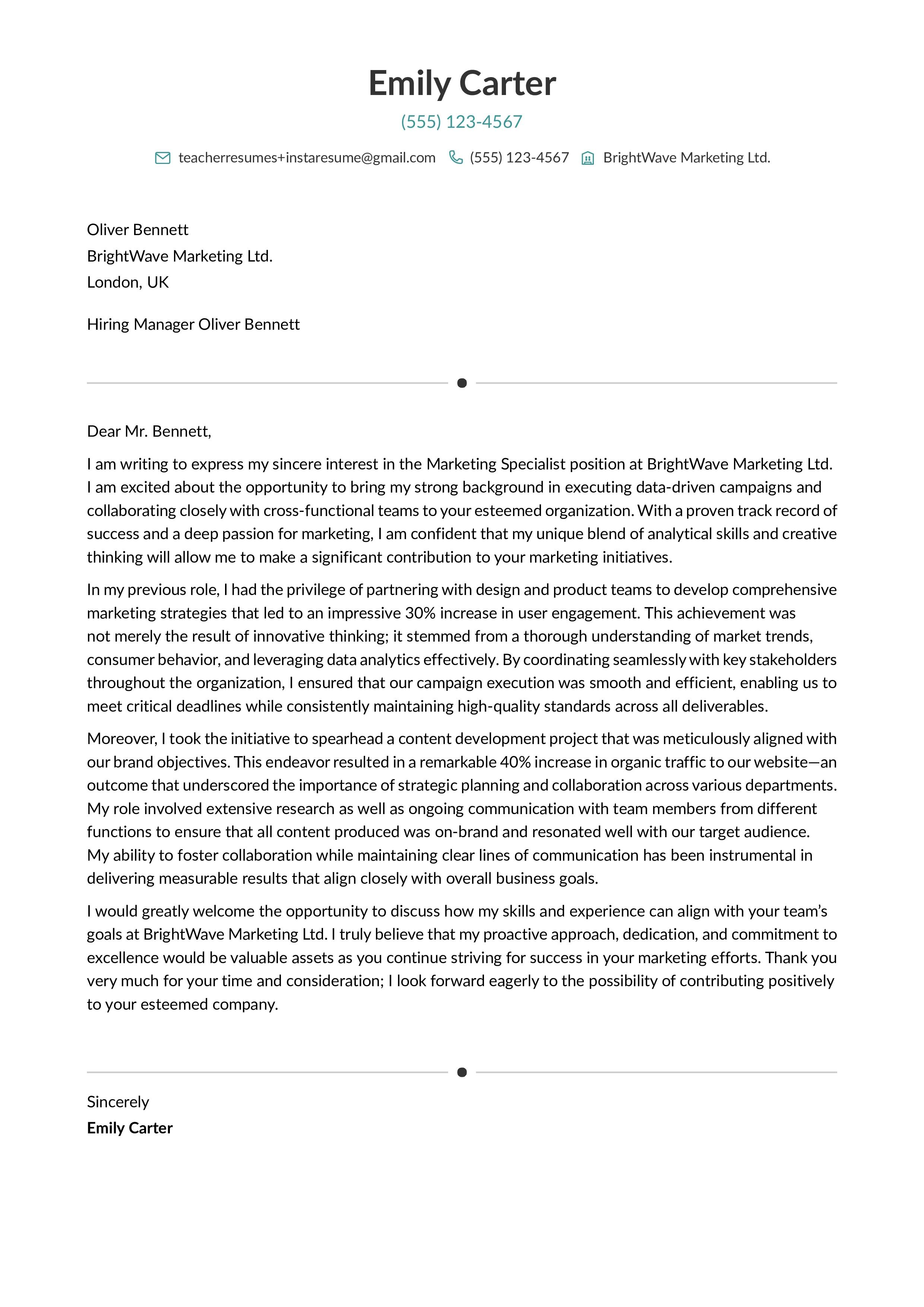
Create cover letter with Instaresume
Edit and download this example example of Marketing specialist cover letter created by Instaresume's cover letter builder
Conclusion
Mastering the STAR method for conflict resolution interview questions can significantly improve how you present your experiences. Instead of giving vague or emotional responses, you deliver structured, clear, and impactful answers that highlight your professionalism and problem-solving ability.
The key is to choose the right example, stay focused on your actions, and show a positive outcome or learning. Employers are not just looking for perfect situations—they want to see how you handle challenges, communicate under pressure, and grow from conflicts.
With consistent practice, your STAR-based answers will feel natural, confident, and compelling—helping you stand out in any interview.